唯紅花綻放
NeoDB Goodreads StoryGraph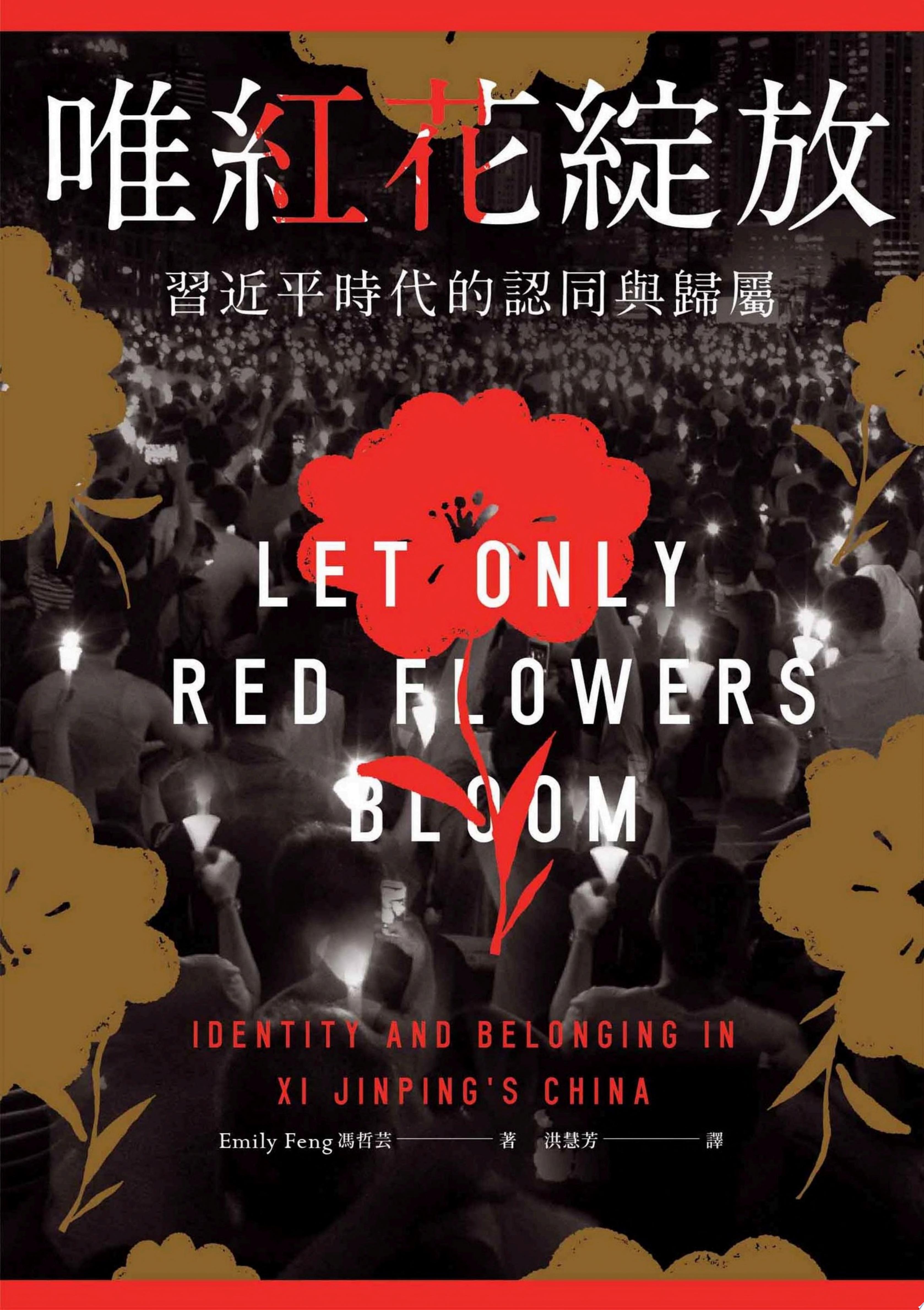
馮哲芸 洪慧芳
Sinossi
A deeply reported investigation into the battle over identity in China, chronicling the state oppression of those who fail to conform to Xi Jinping's definition of who is "Chinese," from an award-winning NPR correspondent.
In the hot summer months of 2021, China celebrated the 100th anniversary of the founding of the Communist Party. Authorities held propaganda and education campaigns across the country defining the ideal Chinese ethnically Han Chinese, Mandarin speaking, solidly atheist, and devoted to the socialist project of strengthening China against western powers.
No one can understand modern China—including its response to the pandemic—without understanding who actually lives there, and the ways that the Chinese State tries to control its people. Let Only Red Flowers Bloom collects the stories of more than two dozen people who together represent a more holistic picture of Chinese identity. The Uyghurs who have seen millions of their fellow citizens detained in camps; mainland human rights lawyer Ren Quanniu, who lost his law license in a bureaucratic dispute after representing a Hong Kong activist; a teacher from Inner Mongolia, forced to escape persecution because of his support of his mother tongue. These are just a few narratives that journalist Emily Feng reports on, revealing human stories about resistance against a hegemonic state and introducing readers to the people who know about Chinese identity the best.
Illuminating a country that has for too long been secretive of the real lives its citizens are living, Feng reveals what it’s really like to be anything other than party-supporting Han Chinese in China, and the myriad ways they’re trying to survive in the face of an oppressive regime.